
Parasite plants give their development a headstart
For their nutrients are parasitic plants dependent on their host plant. Logically they make sure to time their germination accordingly. Parasitic plants only germinate when they perceive substances that indicate the presence of other plants, like the hormone strigalactone.
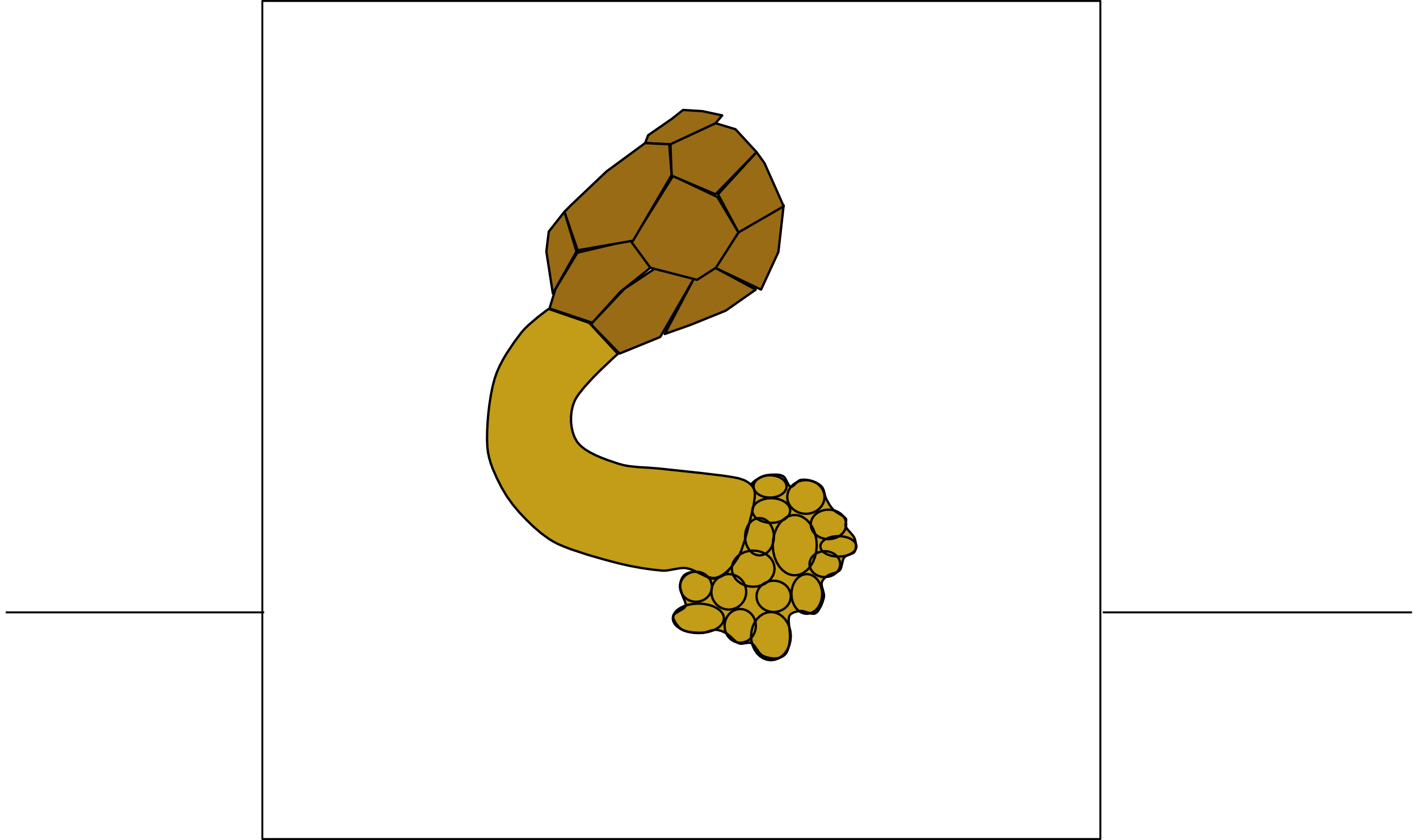
After germination parasitic plants develop a specific organ, called the haustorium, which they use to latch, intrude and siphon off nutrients of their host. Up till now the assumption was that parasitic plants only develop an haustorium when they perceive specific haustorium inducing signals from their host. But now German and Austrian researchers show in “Seed metabolites headstart haustoriogenesis and potentiate aggressiveness of parasitic weeds” that seeds of parasitic plants themselves are releasing those haustorium stimulating substances.
Haustorium inducing substances
The researchers wanted to get more insights in how biochemical signals from host plants influence haustorium development. Therefore, the researchers stimulated the germination of the Phelipanche ramosa L. (Pomel). In contrast to what they expected, the seeds did not only germinate but also started the development of an haustorium. This last was unexpected as the researchers did not add any haustorium initiating substances.
Subsequently the researchers analysed if the seeds were giving off substances that stimulate haustorium development. This turned out to be the case. And that, when the concentration of these substances was too high, that this inhibits the development of the haustorium. The researchers also discovered that these substances increase when the seeds take up more water.
Subsequently the researchers analysed which substances the seeds were releasing. These appeared to mainly be hormones and cell wall metabolites. To test if these substances indeed stimulate the development of the haustorium, the researchers added these substances individually of in combination. Through this they confirmed that most of the substances indeed stimulate the development of the haustorium.
Other parasitic plants
This all raised the question if only Phelipanche ramosa L. (Pomel) stimulates its own haustorium in this way, or that other parasitic plants as well. Therefore, the researchers repeated the experiment with seeds from other parasitic plants. And those, they also appeared to spread their own haustorium stimulating substances.
Now at first instance this all seems illogical, the stimulation of the development of an haustorium without knowing if there is a hostplant nearby. Therefore, the researchers also looked at the success rate of parasitic pants. From this they found that parasitic plants whose seeds were washed to remove haustorium stimulating substances, were less successful than seeds that were not washed.
Parasitic plants therefore make sure themselves that after germination their haustorium develops. It is important to keep this in mind when developing strategies to protect crops against parasitic plants.
Literature
Guillaume Brun et al., Seed metabolites headstart haustoriogenesis and potentiate aggressiveness of parasitic weeds. Sci. Adv.11, eaea1449 (2025). DOI:10.1126/sciadv.aea1449
 Plant en Zo