
Pitcher plant not a strict predator after all
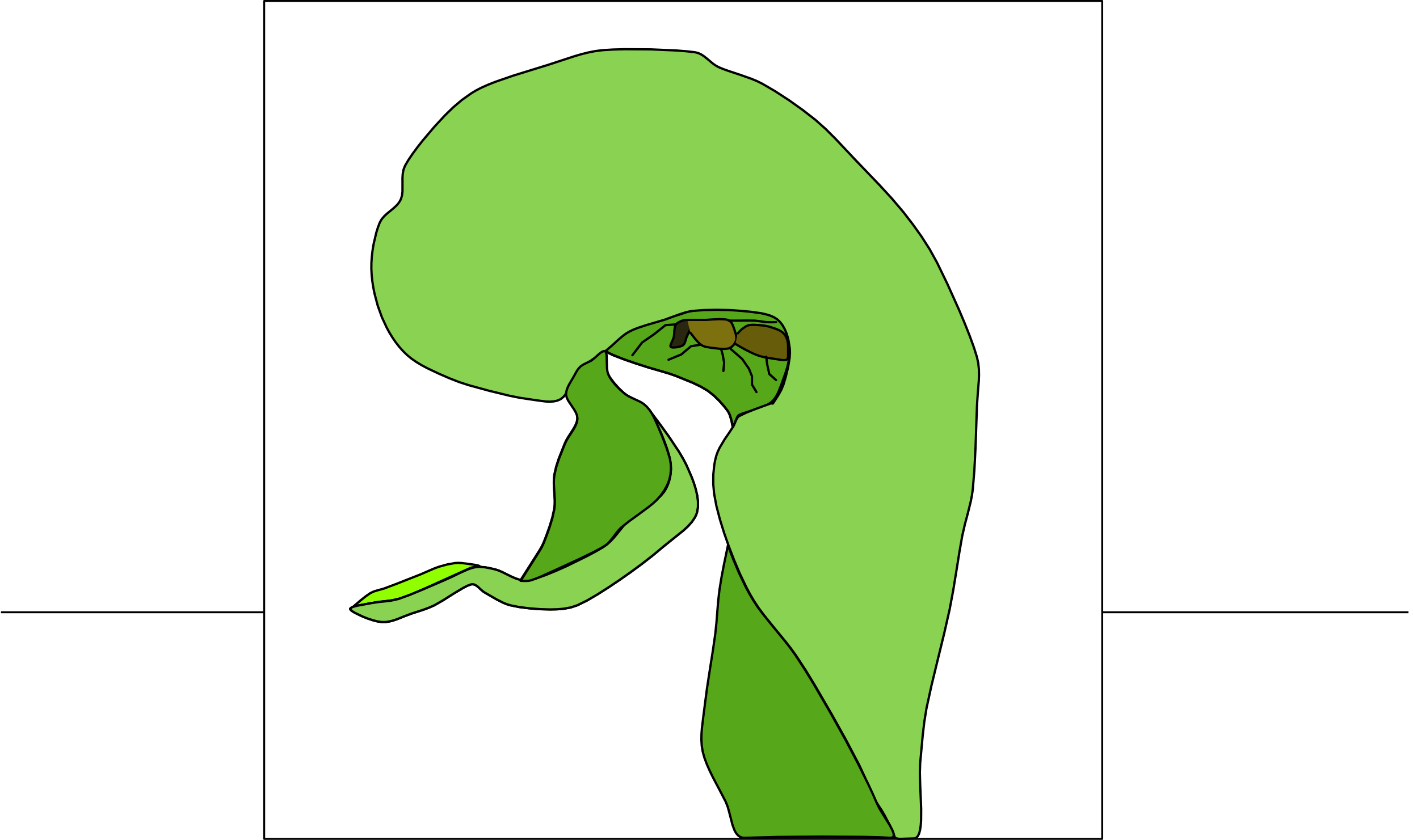
Bright colours, sweet perfume, and the promise of nectar lure insects to a pitcher plants rim. While walking and snacking on that rim, those insects ultimately lose their footing and become food themselves. That is the picture we get about the interaction of pitcher plants and their prey from nature documentaries.
But in reality, a pitcher plant success rate is not that high. Only less than 2 percent of the visiting insects become prey. The rest exploit pitcher plants for food and shelter. This made scientist wonder if pitcher plants are really the predators we believe them to be or if they have a more mutualistic relationships with the local insect population.
To investigate this, a group of American and Japanese researchers made use of a natural occurring phenomenon: carnivorous pitcher plants contain more of the rare stable nitrogen isotope nitrogen-15 than other plants. This led to the reasoning that insects obtaining food from pitcher plants will also obtain nitrogen-15 that insects that obtain food from other plants.
Ate more nitrogen-15
To test this the researchers first selected five sites where pitcher plants were growing and found at 1 km distance five control sites. This distance between the test and control sites is important as the wasp they were analysing flies maximal 300 meter from their nest sites. Having the control sites at 1 km distance therefore, prevented that the wasps the researchers collected had visited both sites.
After having collected leaves from pitcher plants and non-pitcher plants and wasps from both test and control sites the researchers set out to measure the levels of nitrogen-15 in all those samples. As expected, the leaves of pitcher plants contained more nitrogen-15 that leaves of other plants.
For the wasps the picture was less clear. The majority of the wasps from both test and control locations contained little nitrogen-15. But the average for the wasps from the test sites was higher than those of the control site. Suggesting that wasps at the test sites ingested more food with higher nitrogen-15 levels than wasps at the control sites.
Food source
As the researchers say in the article, “from this study can not be said what the exact source was of the nitrogen-15 observed in the test location wasps.” There are two options, the first is that the wasps got the nitrogen-15 directly from snacking on the nectar the pitcher plants provide. The second option is that the wasps in their larval stage were fed insects who had fed on pitcher plant nectar.
In either case this makes pitcher plants both a predator and a food source. The question that remains open is which way the balance tips over to. That all depends on how nutritious the nectar is that the pitcher plants provide. It is the sum of cost of obtaining nutrients vs providing them. And for finding that out, more research is needed.
Literature
David W. Armitage, Asa Conover, Katharine M. Saunders M., Mutualism in disguise? Isotopic evidence for nutrient transfer from a carnivorous pitcher plant to its insect prey. bioRxiv 2025.10.16.682955; doi: https://doi.org/10.1101/2025.10.16.682955
This article is a preprint and has not been certified by peer review [what does this mean?].

