Season dependent growth pause


Season dependent growth pause

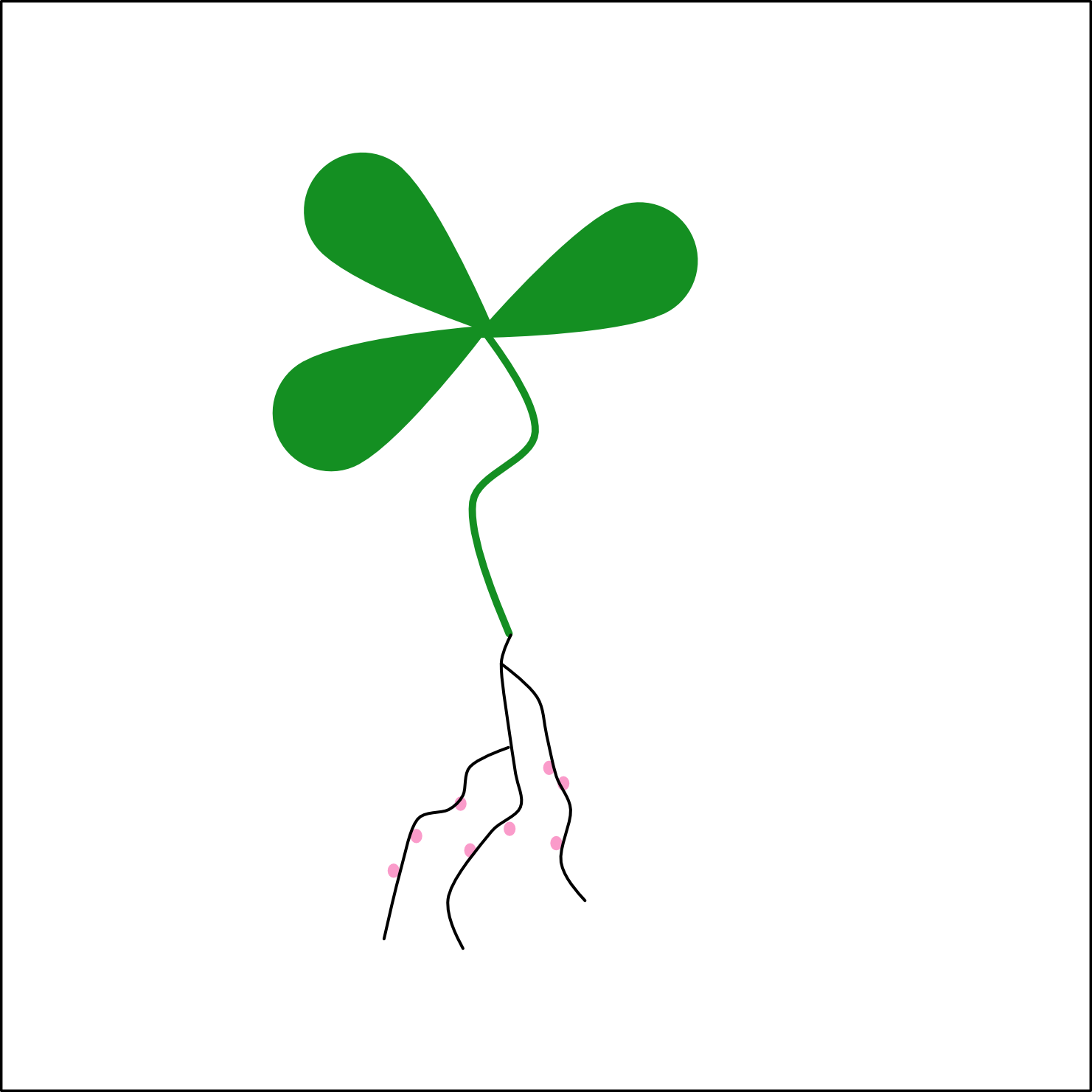
Trees and other perennial plants stop growing each year when it gets colder. A strategy that helps then to survive the cold winter. But how plants are regulating this is not completely known. A group of Swedish and Chinese researchers found this out for poplars.

Poplars stop growing when, in autumn, the days get shorter. At that moment researchers see that there is less of the growth centre maintaining FT2 present in the growth centre. And in absence of FT2 the cells of the growth centre are no longer dividing. Not surprising plants tightly regulate the amount of FT2. One of the positive regulators of FT2 is LAP1, but absence of LAP1 doesn’t give the same result as absence of FT2. Therefore, there needs to be a second regulator.

To find that one, the researchers looked at parallels in the regulation of growth centres of annual plants. There the module of miR172 and AP2 is regulating the activity of the growth centre. The researchers wondered if that was also the case in poplars.

AP2-like activates FT2

The first thing the researchers did was creating poplars that had miR172 that was more, or less active. After shifting these plants to a shorter day length, 8 hours instead of 18 hours, plants in which miR172 was less active stopped later with growing, while plants in which miR172 was more active stopped earlier with growing. Suggesting that miR172 is indeed involved in the regulation of the growth in the growth centres.

miR172 regulates the expression of AP2-like genes, of which there are six in poplars. To investigate the influence of AP2-like genes on the activity of the growth centres, the researchers created plants that produced more, or less AP2-like protein. After shifting these plants to a shorter day length, plants that had more AP2-like protein stopped earlier with growing, while plants with less AP2-like protein grew longer. The opposite from the effect of miR172 and in line with what was expected.

AP2-like protein turned out to accumulate in both the growth centre as in the leaves. In the growth centre AP2-like protein was needed to regulate the activity of the growth centre. The in the leaves present AP2-like protein also regulate gene expression. Inclusive that of FT2. Is AP2-like present in the leaves, then the plant produces FT2, subsequently FT2 travels to the growth centre where it stimulates growth together with AP2-like.

Age influences the amount of AP2-like

AP2-like is thus needed for the production of FT2. But all this is not saying anything why FT2 reduces when the days get shorter. One of the from annual plants known regulators of the miR172/AP2 module is the module miR156/SPL. Together these modules are responsible for keeping track of the age of the plant.

In poplars regulates the module miR156/SPL also the miR172/AP2-like module. Whereby SPL3/5 is activating miR172, which in turn block the expression of AP2-like. In turn does AP2-like block the expression of SPL3/5 while it stimulates the expression of miR156. And miR156 to complete the circle blocks the expression of SPL3/5. But important to know is that in the middle of all this the plant reduces the expression of miR156 when it gets older. Also, it doesn’t appear to be the case that the miR156/SPL3/5 module is behaving differently in short days than in longer days. There is therefore still a missing daylength regulator of FT2 and or AP2-like.

Literature

J. Wang, X. Liao, Z. Wu, S. Sane, S. Han, Q. Chen, X. Shi, X. Dai, M. Klintenäs, O. Nilsson, & J. Ding, Genetic control of seasonal meristem arrest in trees, Proc. Natl. Acad. Sci. U.S.A. 122 (48) e2505641122, https://doi.org/10.1073/pnas.2505641122 (2025).


Thanks for reading.
If you like what you read, support me with on of the following actions

Follow me on LinkedIn or BlueSky
Share it with a friend or co-worker
Singing up to my newsletter so my next blog lands directly in your inbox

Seizoen afhankelijke groei onderbreking


Seizoen afhankelijke groei onderbreking

Bomen en andere meerjarige planten stoppen elk jaar wanneer het kouder wordt met groeien. Een strategie die hun helpt om de koude winter te overleven. Maar hoe planten dat precies reguleren is nog niet helemaal bekend. Een groep van Zweedse en Chinese onderzoekers zocht het uit voor populieren.

Populieren stoppen met groeien wanneer, in de herfst, de dagen korter worden. Op dat moment zien onderzoekers ook dat er minder van de groeikern onderhoudende FT2 in de groeikern aanwezig is. Bij afwezigheid van FT2 delen de cellen van de groeikern niet meer. Het is dan ook niet gek dat de plant de hoeveelheid FT2 strak reguleert. Een van de positieve regulators is LAP1, maar afwezigheid van LAP1 heeft niet hetzelfde resultaat als afwezigheid van FT2. Er moet dus nog een tweede regulator zijn.

Om die te vinden keken de onderzoekers naar parallellen in de regulatie van de groeikeren van eenjarige planten. Daar reguleert de module van miR172 en AP2 de activiteit van de groeikern. De onderzoekers vroegen zich af of dit voor populieren ook zo was.

AP2-like activeert FT2

Het eerste wat de onderzoekers deden was populieren maken waarin miR172 minder of meer actief was. Nadat de onderzoekers deze planten minder dag licht gaven, 8 uur in plaats van 18 uur, stopte planten waar miR172 minder actief in was later met groeien, terwijl planten waarin er meer miR172 aanwezig was juist eerder stopte met groeien. Dit suggereert dat miR172 inderdaad ook betrokken is bij het reguleren van de groei in de groeikernen.

Nu regelt miR172 de expressie van AP2-like genen waarvan er in populieren zes van zijn. Om de invloed van AP2-like genen op de activiteit van de groeikern te onderzoeken maakte de onderzoekers planten die meer of minder AP2-like eiwit hadden. Na het geven van minder dag licht stopte planten met meer AP2-like eiwit de groei eerder, terwijl de planten met minder AP2-like eiwit juist langer doorgroeide. Het tegenover gestelde, van het effect van miR172, en in lijn met wat er verwacht werd.

AP2-like bleek zowel in de groeikern als in de bladeren aanwezig. In de groeikern bleek AP2-like genen die nodig zijn voor een actieve groeikern te reguleren. Ook in bladeren reguleert AP2-like genexpressie. Inclusief dat van FT2. Is AP2-like aanwezig in het blad, dan maakt de plant FT2 aan, vervolgens reist FT2 naar de groeikern waar het samen met AP2-like de groei stimuleert.

Leeftijd beïnvloed hoeveelheid AP2-like

AP2-like is dus nodig voor de productie van FT2. Maar dit alles zegt nog niks over waarom FT2 afneemt wanneer de dagen korter worden. Een van de in eenjarige planten bekende regulatoren van de miR172/AP2 module is de module miR156/SPL. Samen zijn deze modulen verantwoordelijk voor het bijhouden van de leeftijd van de plant.

Ook in populieren bleek de module miR156/SPL de miR172/AP2-like module te reguleren. Waarbij SPL3/5 miR172 activeert, die op zijn beurt de expressie van AP2-like tegenhoud. Vervolgens houdt AP2-like de expressie van SPL3/5 tegen terwijl het de expressie van miR156 juist stimuleert, miR156 om de cirkel compleet te maken houdt op z’n beurt weer de expressie van SPL3/5 tegen. Maar belangrijker te midden van dit alles is om te onthouden dat naarmate de plant ouder wordt het ook de expressie van miR156 meer dempt, en het er niet op lijkt dat de miR156/SPL3/5 module zich tijdens kortere dagen anders gedraagt dan onder langere dagen. Er ontbreekt dus nog steeds een daglengte regulator van FT2 en of AP2-like.

Literatuur

J. Wang, X. Liao, Z. Wu, S. Sane, S. Han, Q. Chen, X. Shi, X. Dai, M. Klintenäs, O. Nilsson, & J. Ding, Genetic control of seasonal meristem arrest in trees, Proc. Natl. Acad. Sci. U.S.A. 122 (48) e2505641122, https://doi.org/10.1073/pnas.2505641122 (2025).


Bedankt voor het lezen
Vond je het interessant, overweeg dan een van de volgende acties

Volg me op LinkedIn of BlueSky
Stuur het door aan een vriend of collega

Abonnneer je op m’n nieuwsletter zodat de volgende automatisch in je inbox verschijnt.

A waxy layer for salt tolerance


A waxy layer for salt tolerance

Most plants don’t like to much salt. They get pretty stressed out about it, lose their appetite, or to be more accurate their chloroplasts, and die slowly. Still, there are plants that flourish under salty conditions. Not surprisingly researchers are curious how plants adapted that don’t stress out over an extra pinch of salt.

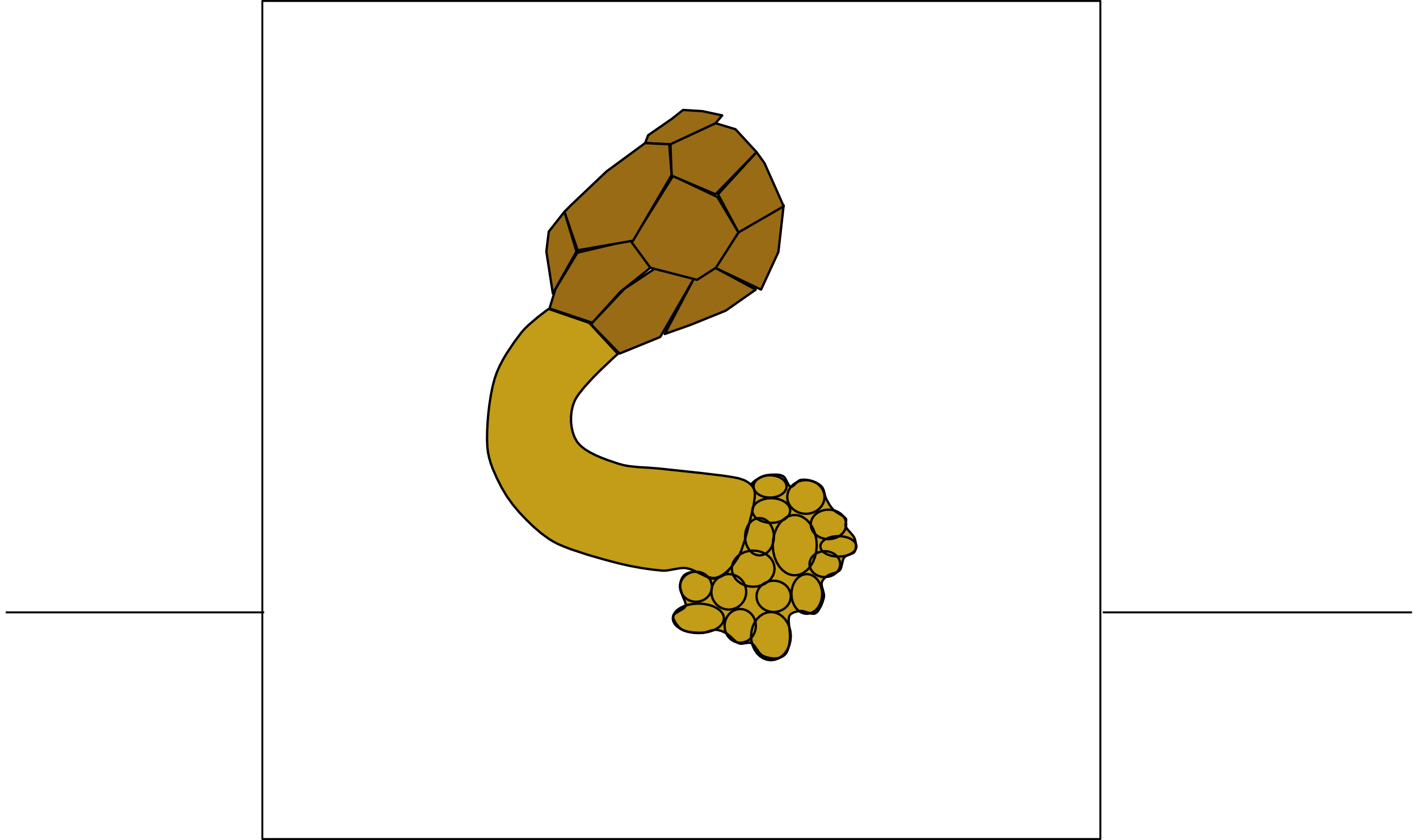
Chinese researchers show in a new study “BOUNDARY OF ROP DOMAIN3 Modulates Salt Tolerance by Mediating Cuticle Wax Synthesis” that one of these adaptations is the doubling of the wax layer that covers the leaves.

The researchers were curious to the adaptions of plants to prevent respiration during salt stress. To find those the researchers searched for a tale cress plant that did not show signs of salt stress when growing in salty soil. This plant, that they gave the nickname tos1, turned out to have extra shiny and waxy leaves.

Negative influence

The first thing the researchers did was determine the responsible gene. This turned out to be DBR3. The researchers also observed that the protein encoded by DBR3 was located in the mitochondria. This was a surprise as fatty molecules for the wax layer are synthesised in the endoplasmic reticulum.

In tos1 there is less DBR3 present. Therefore, to find out how DBR3 is influencing salt tolerance, the researchers created a plant with more DBR3. This plant was extra sensitive to salt. Which indicates that DBR3 is negatively influencing salt tolerance.

Extra thick wax layer

Subsequently the researchers analysed the wax layer of tos1 plant, which was twice as thick. Especially the amount of fatty acids, alkanes and ketones where increased. With as effect that tos1 plants were sweating less, losing less water.

To find out how BDR3 manages this, the researchers studied how the gene expression changed during salt stress in tos1 plants. They noticed that genes needed for the wax production showed increased activity in tos1. They also noticed that genes involved in the production of glycerolipid were less active.

This information about how the gene expression changes in tos1 plant compared to plants with a working DBR3 gene explains why tos1 plants have a thicker wax layer. What is still unclear is how DBR3 managed this, as it is not directly involved by the regulation of gene expression or the production of the lipids of the wax layer. The next step is then, as the researchers say, to characterise the DBR3 protein.

Literature

Miao, R., Q. Yang, W. Xiang, et al. 2025. “BOUNDARY OF ROP DOMAIN3 Modulates Salt Tolerance by Mediating Cuticle Wax Synthesis.” Plant, Cell & Environment 0: 1–17. https://doi.org/10.1111/pce.70300.


Thanks for reading.
If you like what you read, support me with on of the following actions

Follow me on LinkedIn or BlueSky
Share it with a friend or co-worker
Singing up to my newsletter so my next blog lands directly in your inbox

Een vettig laagje voor zout tolerantie


Een vettig laagje voor zout tolerantie

De meeste planten houden niet van te veel zout. Ze schieten ervan behoorlijk in de stress, verliezen hun eetlust, of beter gezegd hun bladgroenkorrels, en gaan langzaam dood. Toch zijn er ook planten die wel floreren bij grotere hoeveelheden zout. Onderzoekers zijn dan ook benieuwt naar hoe planten die niet zo nauw kijken op een korrel zout meer of minder zich hebben aangepast.

In een nieuwe studie “BOUNDARY OF ROP DOMAIN3 Modulates Salt Tolerance by Mediating Cuticle Wax Synthesis” laten Chinese onderzoekers zien dat een van die aanpassingen het verdubbelen van de op bladeren aanwezige wax laag.

De onderzoekers waren benieuwd naar welke aanpassingen planten doen om extra verdamping tegen te gaan tijdens zout stress. Om die te vinden zochten de onderzoekers een zandraket plantje die groeiend op zilte grond geen last zoutstress had. Dit plantje, dat ze de bijnaam tos1 gaven, bleek extra glimmende en vettige bladeren te hebben.

Negatieve invloed

Het eerste wat de onderzoekers deden was vaststellen welk gen hiervoor verantwoordelijk was. Dit bleek BDR3 te zijn. Verder zagen de onderzoekers dat het door BDR3 gecodeerde eiwitten zich in de mitochondriën bevond. Dit was nogal een verrassing omdat de synthese van vettige moleculen van de wax laag in het endoplasmatisch reticulum plaats vindt.

In tos1 is er minder BDR3 aanwezig, daarom, om te kijken hoe BDR3 zout tolerantie beïnvloed maakte de onderzoekers ook een plant waarin meer BDR3 aanwezig is. Deze plant bleek extra gevoelig voor zout te zijn. BDR3 beïnvloed zout tolerantie dus negatief.

Extra dikke wax laag

Vervolgens bestudeerde de onderzoekers de wax laag van tos1 planten, die bleek twee keer zo dik. Voornamelijk de hoeveelheid vetzuren, alkanen en ketonen waren toegenomen. Dit bleek ervoor te zorgen dat de planten minder zweten, en dus minder vocht verliezen.

Om uit te zoeken hoe BDR3 dit voor elkaar kreeg bestudeerde de onderzoekers hoe genexpressie was veranderd tijdens zout stress in tos1 planten. Hierbij zagen de onderzoekers dat in tos1 de genen van de wax productie actiever waren. Ook waren genen betrokken bij de productie van glycerolipid minder actief.

De informatie over hoe de genexpressie is veranderd in tos1 planten ten opzichten van planten met een werkend BDR3 gen verklaard waarom tos1 planten een dikkere wax laag hebben. Wat nog niet duidelijk is, is hoe BDR3 dit voor elkaar krijgt, aangezien het niet direct betrokken is bij het reguleren van genexpressie of de productie van de vetten van de wax laag. De volgende stap is dan ook, zo zeggen de onderzoekers, om het BDR3 eiwit beter in kaart te brengen.

Literatuur

Miao, R., Q. Yang, W. Xiang, et al. 2025. “BOUNDARY OF ROP DOMAIN3 Modulates Salt Tolerance by Mediating Cuticle Wax Synthesis.” Plant, Cell & Environment 0: 1–17. https://doi.org/10.1111/pce.70300.


Bedankt voor het lezen
Vond je het interessant, overweeg dan een van de volgende acties

Volg me op LinkedIn of BlueSky
Stuur het door aan een vriend of collega

Abonnneer je op m’n nieuwsletter zodat de volgende automatisch in je inbox verschijnt.